
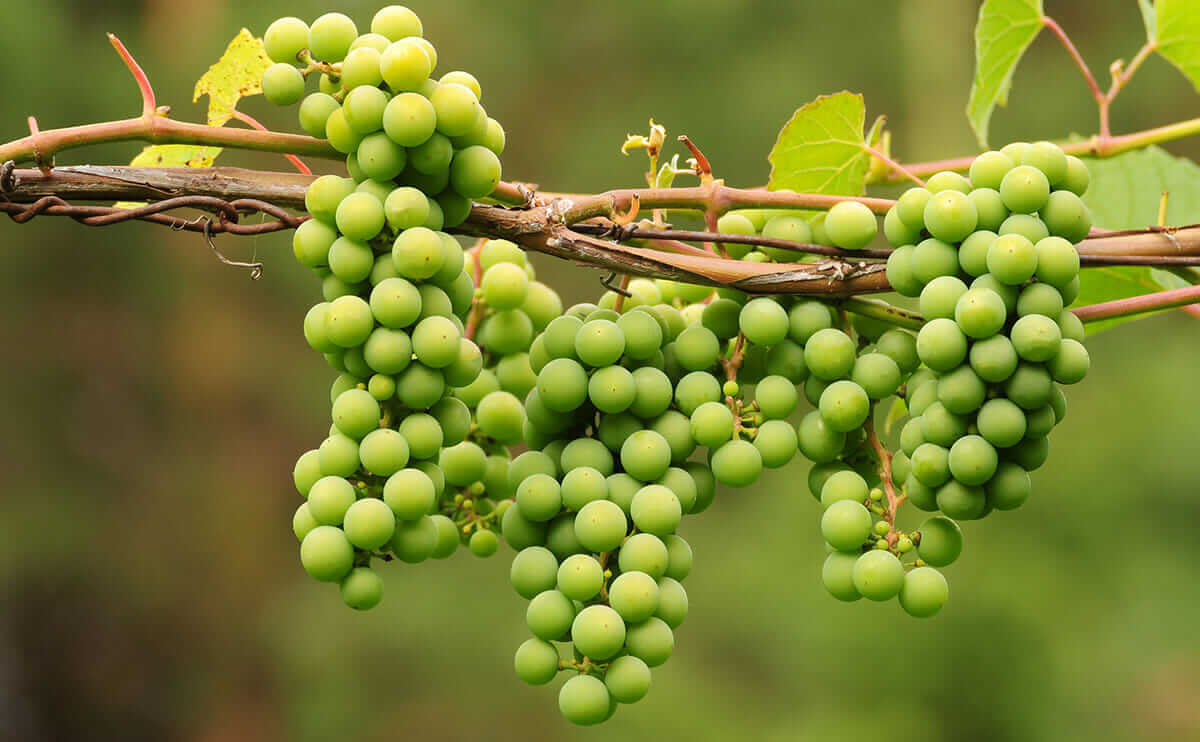
Verjuice: The Sour Grape That Never Waits to Ripen
July 22, 2026
Most fruits are worth waiting for. We wait until they are sweet, juicy, and fully ripe before taking the first bite.
In Iranian cooking, things are a little different.
Some fruits have a second life before they ever become ripe. The best example is ghooreh, or unripe green grapes. They are picked while they are still firm, tart, and bright green, long before they develop their sweetness.
It might sound unusual at first, but unripe grapes are every bit as exciting as ripe ones. Just for a completely different reason.
The First Taste of Summer
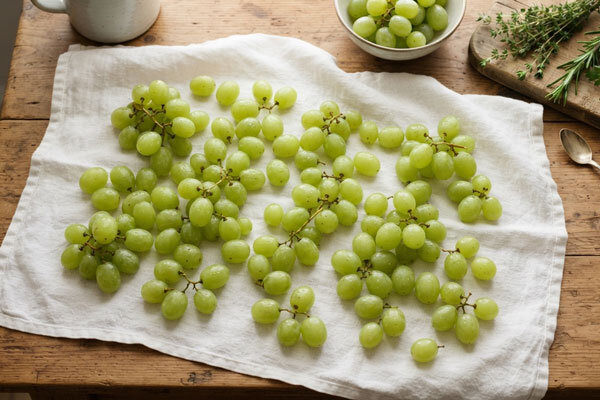
The first time you eat ghooreh, your face usually reacts before your tongue does.
The sourness is sharp and immediate. It makes your eyes squint for a second, then leaves your mouth feeling incredibly fresh. And somehow, that intense first bite makes you reach for another grape. Then another.
For many Iranians, ghooreh is one of the first true signs of summer.
As soon as the weather turns hot, baskets of tiny green grapes begin appearing in markets across the country. They are often sprinkled with a little salt and eaten fresh as a seasonal snack. On a hot afternoon, they feel almost cooling, like a refreshing breeze after standing in the sun.
But their journey doesn't end there.
These little grapes also find their way into stews, rice dishes, and salads, bringing a bright acidity that no other ingredient quite matches.
Nothing Goes to Waste on the Vine
Few plants are used as completely in Iranian cooking as the grapevine.
The ripe grapes are eaten fresh. They become raisins, grape syrup, vinegar, and, historically, wine. Grape leaves are wrapped around fragrant fillings to make dolmeh. Even the stems have traditional uses in some regions.
And before any of that happens, the young grapes are harvested as ghooreh.
For thousands of years, Iran has been one of the world's great grape-growing regions. Over generations, Iranian cooks learned that every stage of the vine has something valuable to offer. Nothing is wasted. Every season brings a new flavor.
What Makes Ghooreh Different?
Iranian cuisine has many famous sour ingredients. Pomegranate molasses, barberries, dried limes, tamarind, and verjuice all bring acidity, but each creates a completely different character.
Ghooreh offers a freshness that is difficult to compare with anything else.
Its sourness is clean, lively, and almost herbal. It brightens a dish without overwhelming it. In a way, it plays the same role that chili peppers do in some cuisines. It wakes up every bite, not with heat, but with acidity.
That is why it appears in so many traditional recipes, from vegetable stews to stuffed vegetables and light summer dishes.
Verjuice: One of Iran's Favorite Condiments
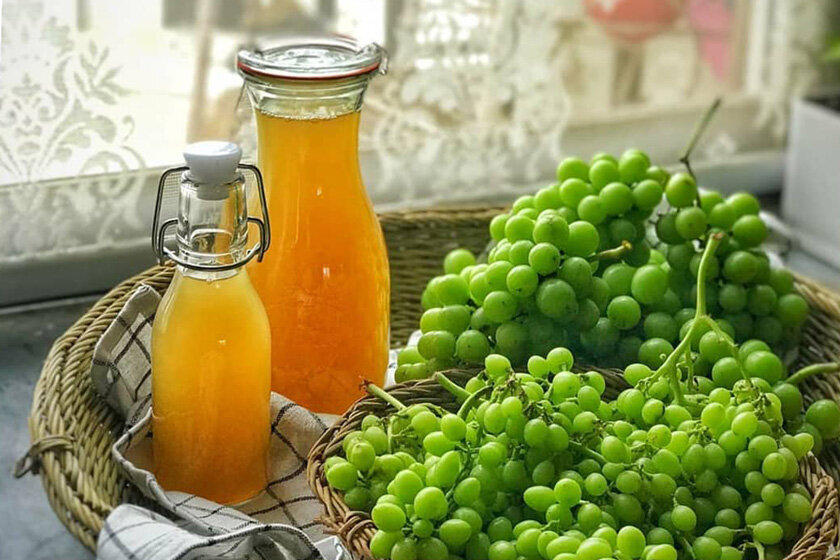
Fresh ghooreh only appears for a few weeks every year.
Fortunately, Iranians found a way to enjoy its flavor throughout the seasons.
The grapes are pressed into verjuice, known in Persian as ab-ghooreh. This pale green juice is one of the most common condiments in Iranian kitchens. Many families still prepare it at home every summer, storing bottles for the rest of the year.
Verjuice adds brightness to salads, soups, vegetables, and stews. Unlike vinegar, its acidity is softer and fruitier. Unlike lemon juice, it carries the unmistakable character of fresh grapes.
It is one of those ingredients that quietly transforms a dish without ever dominating it.
Iranian Cooking Loves Things Before They Ripen
Ghooreh is not the only unripe ingredient Iranians enjoy.
Fresh green almonds, sour green plums, green pistachios, and young walnuts are also eaten before reaching full maturity.
To someone unfamiliar with Iranian food, this might seem surprising. But it reflects something deeper about the cuisine.
Iranian cooking is not always searching for sweetness or perfect ripeness. Instead, it celebrates every stage of an ingredient's life, finding beauty in flavors that exist only for a short time.
These ingredients are seasonal in the truest sense. Miss them, and you'll have to wait another year.
Perhaps that is why they are so treasured.
Ghooreh at Noush
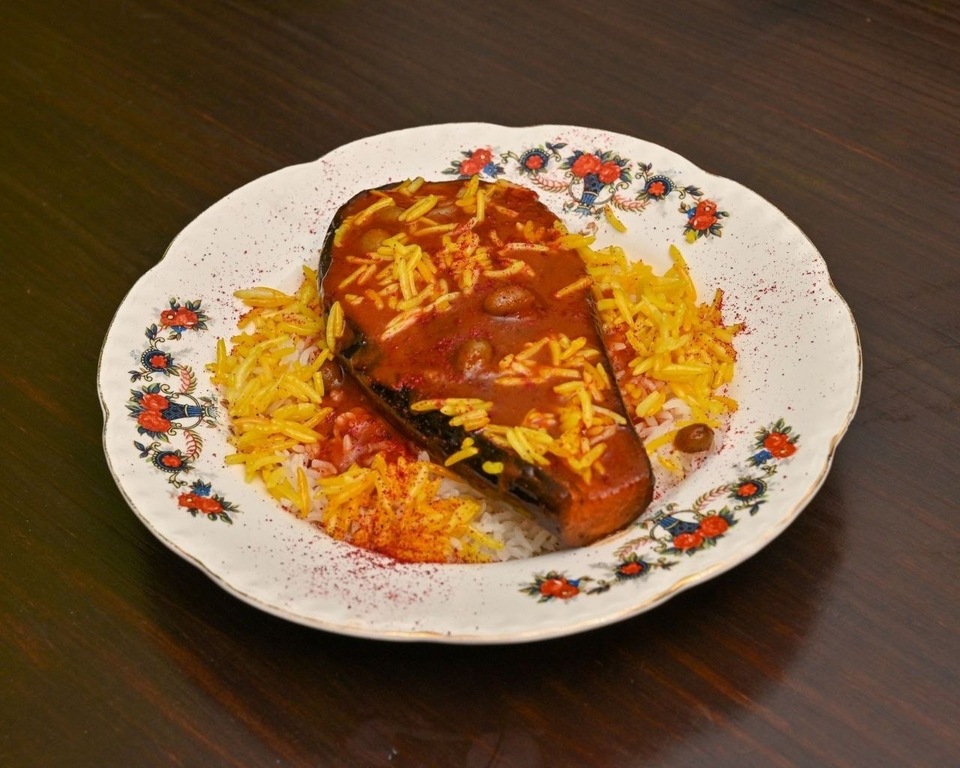
At Noush, we use ghooreh in our Eggplant stew (Ghoore Bademjan), a traditional stew from Mazandaran, the lush province along the Caspian Sea in northern Iran.
The dish brings together tender eggplant, fragrant herbs, and sour green grapes in a combination that feels both comforting and vibrant. The fresh acidity of the grapes cuts through the richness of the eggplant, creating a balance that is unmistakably Iranian.
In some parts of Mazandaran, this stew has another name: Kabk Bepares, which literally means "The partridge flew away."
According to local tradition, the name comes from an old joke. Someone planned to cook the stew with partridge, but the bird flew away before dinner. Whether true or not, the story reminds us that many Iranian dishes carry more than recipes. They carry memories, humor, and generations of storytelling.
Like every dish we serve at Noush, our version is completely plant based.
But what makes this stew memorable is not simply that it is vegan. It is the bright, lively sourness of ghooreh, paired with silky eggplant and fragrant spices, that creates something uniquely Iranian.
It is a reminder that sometimes the most remarkable flavors arrive long before a fruit is ever considered ripe.