
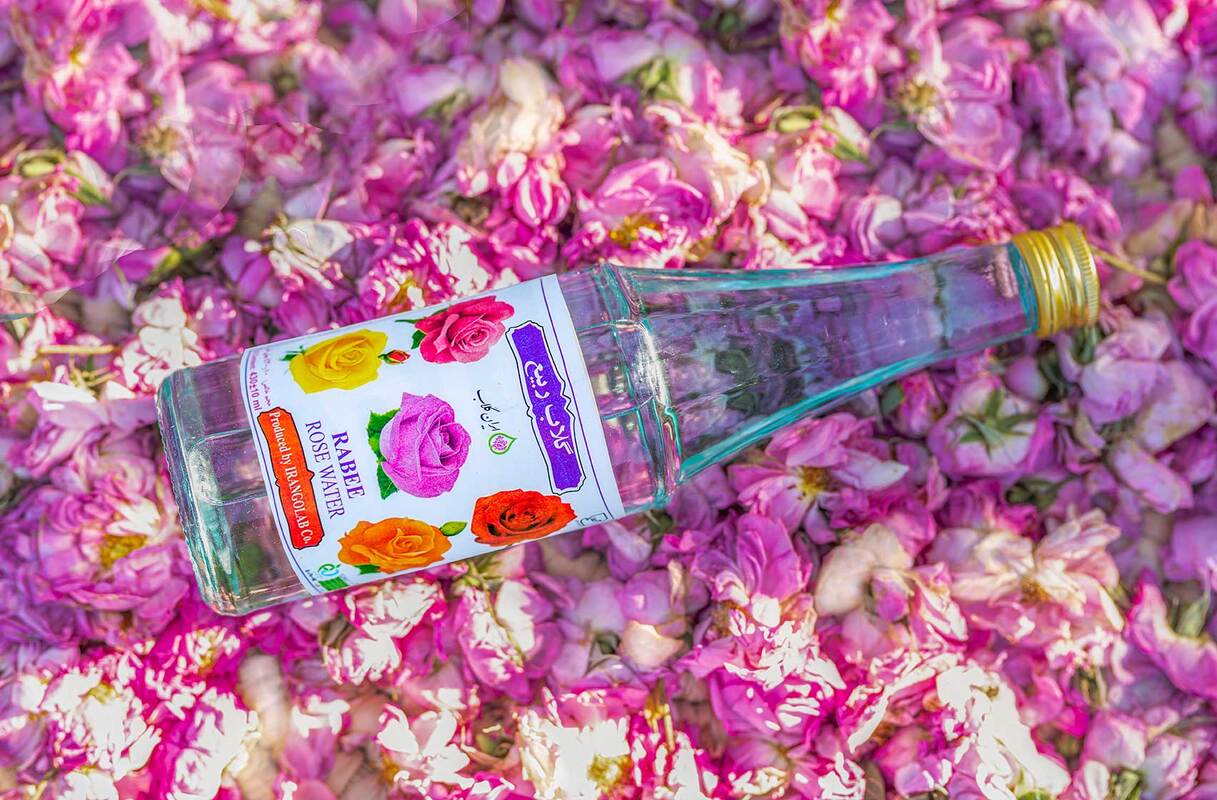
Rose Water: Distilling the Memories of Spring
June 16, 2026
Some flavors cannot be separated from memory. And then there are flavors that create memories instantly, even the very first time you taste them.
Rose water is one of those flavors.
Whether it appears as a few drops in a refreshing drink, folded into a cake, or stirred into a warm stew, it has a remarkable ability to transport you. Suddenly, you find yourself in springtime: cool morning air, gardens bursting with blossoms, family picnics, and recipes passed lovingly from one generation to the next.
The aroma of rose water is the aroma of a freshly picked flower, as if you were holding a rose in your hands at that very moment.
For centuries, this fragrance has been woven into Iranian life. From religious ceremonies to traditional remedies, from desserts and cakes to sherbets and savory dishes, rose water is everywhere. It would be difficult to find an Iranian who does not instantly recognize its scent.
For centuries, this fragrance has been woven into Iranian life. From religious ceremonies to traditional remedies, from desserts and cakes to sherbets and savory dishes, rose water is everywhere. It would be difficult to find an Iranian who does not instantly recognize its scent.
What Is Rose Water?
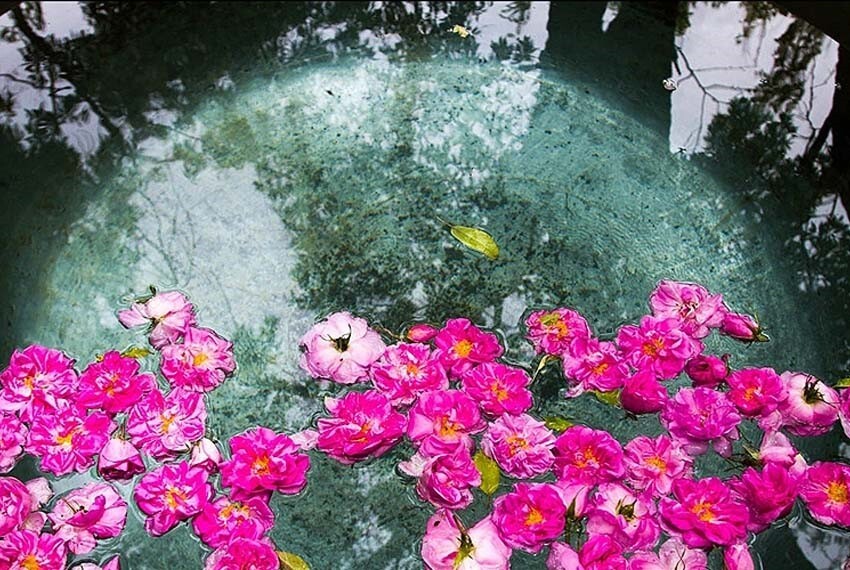
Rose water is a clear, fragrant liquid produced through the distillation of rose petals.
Its quality depends on two things: the quality of the roses and the quality of the distillation process. This is one of the reasons Iranian rose water is celebrated around the world.
The roses traditionally used for Iranian rose water are Damask roses, known in Persian as Gol-e Mohammadi. Thanks to the unique climate of Iran's central desert regions, these roses develop an exceptionally intense fragrance. Sunny days, cool nights, dry air, and higher elevations combine to produce flowers with a richer aroma than many other rose varieties.
Historical Persian texts mention rose water production more than a thousand years ago. It is hardly surprising that over centuries of refinement, Iranian distillers perfected a craft that became famous far beyond the country's borders. Some historical records even suggest that small desert towns in Iran were among the earliest centers of rose water production and export. Other sources point to Damascus in present-day Syria as the origin of the tradition. Whatever its precise beginnings, one thing remains clear: the quality of the rose itself is what defines the quality of the final product.
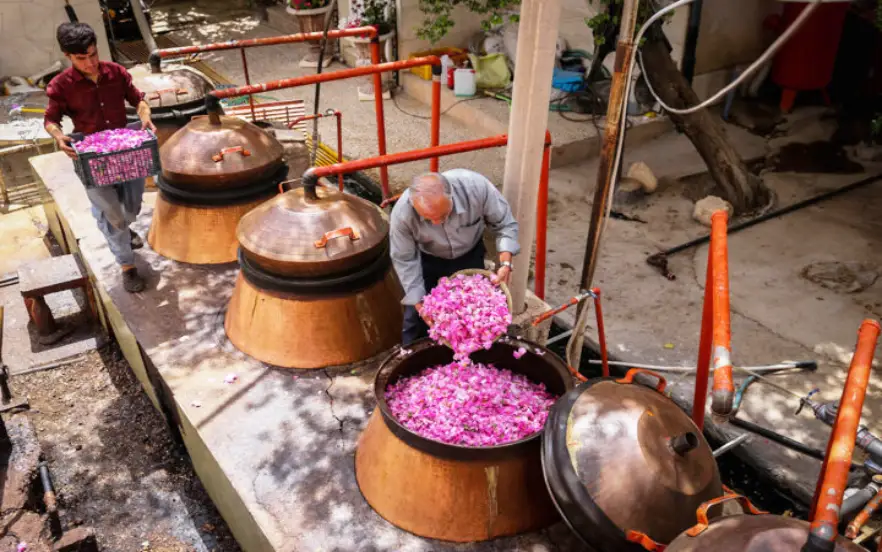
Just as important is the traditional Iranian method of distillation. Refined over generations, this natural process helps preserve the delicate fragrance of the flowers. In places such as Kashan and Qamsar, roses are typically harvested before sunrise, when their aroma is at its peak. The petals are then distilled shortly after picking to capture their freshness. This practice, passed down through centuries, remains an essential part of the identity of Iranian rose water today.
How Is Rose Water Used?
Iranian rose water feels deeply connected to nature. It carries the freshness of a flower still covered in morning dew, and that freshness is what makes it so distinctive.
Its culinary uses are remarkably diverse. Sometimes only a few drops are enough to transform a dish entirely.
.JPG?locale=en)
Take Gheymeh, one of Iran's most beloved stews. Made with split peas and traditionally simmered in a rich tomato-based sauce, it gains an entirely new dimension with the addition of rose water. Suddenly, the dish feels lighter, brighter, and more evocative. The aroma transforms the experience of eating into something memorable and comforting.
The same magic happens in cakes, ice creams, and desserts. Rose water introduces a freshness that is difficult to describe but instantly recognizable. It distracts the senses in the best possible way, carrying you somewhere else entirely, to a distant memory, a blooming garden, a spring morning covered in soft pink blossoms.
The Rose Water Traditions of Iran
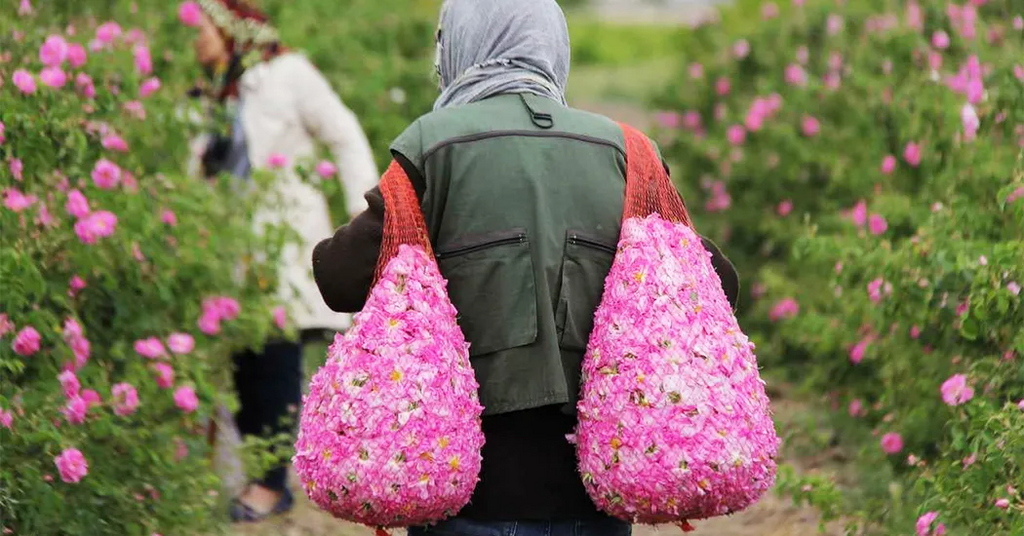
If you ever visit Iran in spring, make sure not to miss the rose harvest season.
Head to Kashan and nearby Qamsar, home to some of the country's most celebrated rose water producers. For about a month each year, entire communities rise before dawn to gather roses by hand. The petals are collected in vast baskets and brought to traditional distillation workshops, where they are transformed into the fragrant liquid that has become one of Iran's most cherished ingredients.
It is a celebration as much as a harvest, a seasonal ritual that brings together agriculture, craftsmanship, and culture.
If a trip to Iran is not on your plans just yet, we bring a small part of that tradition to you at Noush.
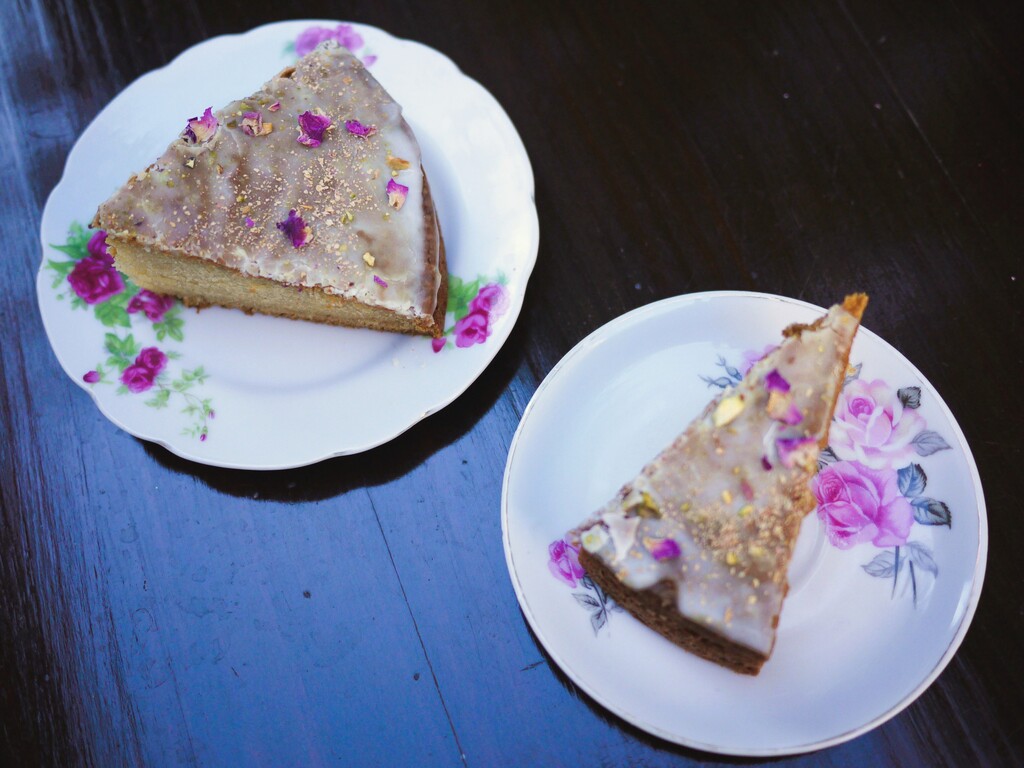
You'll find rose water woven into some of our favorite dishes and desserts, from Gheymeh to our house-made ice creams and Persian Love Cake. And perhaps that is fitting, because rose water carries something of love itself:
Joy, freedom, nostalgia, and the ability to transport us somewhere beautiful with a single breath.
Joy, freedom, nostalgia, and the ability to transport us somewhere beautiful with a single breath.